Location: Main Deck
Description of Event:
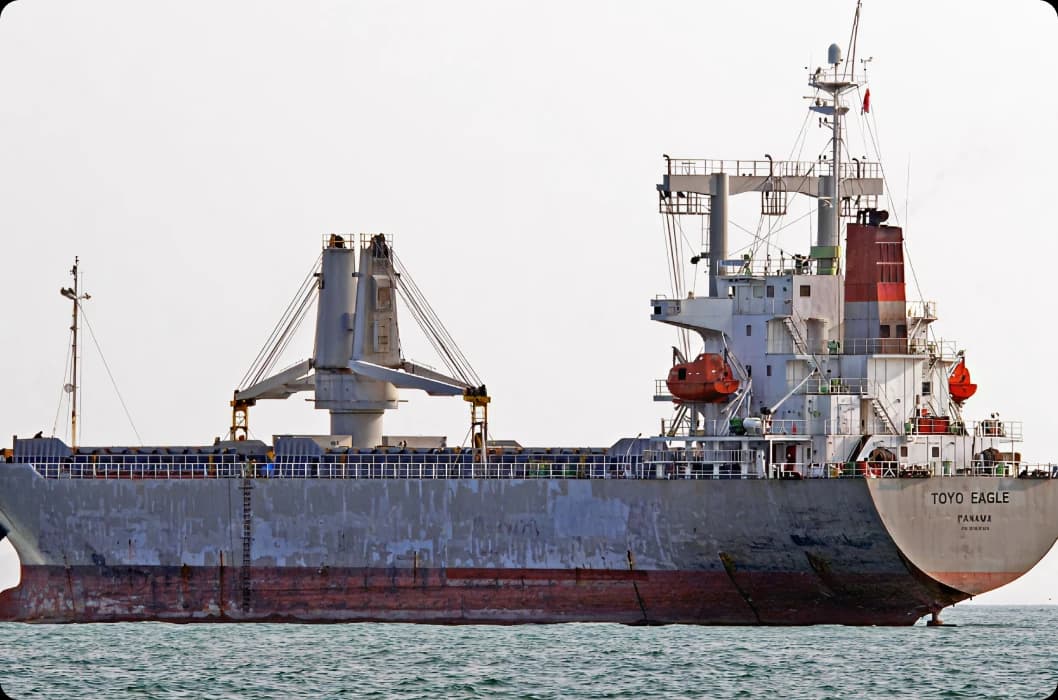
A small incident took place recently involving the provision crane. Two days earlier, the crane wire operating handle block had been attended to due to a leak, and the O-ring was replaced. After completing the job, the crane was not tested or tried out.
Two days later, when the vessel was alongside the jetty, the provision and stores boat came, and the same crane had to be used. The AB and OS prepared the crane as routine. While lowering the hook, the electric hoisting limit got activated — this limit is positioned at the far end of the crane boom, and it does not release automatically during lowering.
The hook reached the store boat, and they secured the belt, but the wire would not hoist up. The AB informed the engine team, who suspected an air lock in the wire handling block since it had been opened earlier but never tested. They tried releasing air and even checked and renewed the hydraulic limit block. About two hours passed without success.
Finally, it was discovered that the electric limit switch had remained activated when the hook was lowered earlier. The hoisting limit had not reset due to rust, moisture, and general wear, and the AB had not noticed it because the limit is located far out and not easily visible during operation.
Root Cause:
Lack of proper maintenance planning. Safety and limit switches require regular inspection and cleaning.
Missed opportunity to test after repairs. The crane should have been tried out immediately after the O-ring replacement.
Inadequate checks during operation. ABs and others operating the crane must observe both lowering and hoisting limits and verify that all limits reset properly.
Immediate Action Taken:
To get the crane into a safe position, the team tied a rope to the hook, manually lifted it enough to swing the boom back to the parking area, and then reset the limit switch. After resetting, the crane was tested and worked normally, allowing provisions and stores to be taken aboard.
Potential Consequences:
- Delay in loading provisions and stores.
- Unsafe crane operations due to a malfunctioning limit switch.
- Risk of equipment damage and operational disruption.
Corrective / Preventive Action:
- Safety and limit switches require regular inspection and cleaning.
- The crane should have been tried out immediately after the O-ring replacement.
- ABs and others operating the crane must observe both lowering and hoisting limits and verify that all limits reset properly.
- Ensure all maintenance work is followed by functional testing before equipment is returned to service.
- Verify that all limit switches reset properly during routine crane operations.